
All About Framing - High Wycombe
Bespoke framing
FAQ
How much does bespoke framing cost?
It depends on size, materials, and complexity. We're happy to give a no-obligation quote before you commit.
How long does it take to make a frame?
Standard turnaround is 2 weeks. Shirts, textiles, or complex pieces may take a little longer. Simple reglazes can be quicker.
How do I order a bespoke frame?
You can order by phone, email, or in-store. Just get in touch and we'll help figure out what you need.
All About Framing - High Wycombe
Shop DIY framing
Cutting services
All About Framing - High Wycombe
Ready made frames
Popular sizes
FAQ
Do you offer printing?
Yes! We can print your artwork or photos. Get in touch for details.
Can you fit my artwork into the frame?
Yes, we offer fittings as an additional service in store when you buy the frame.
Do you offer bulk discounts?
Yes, order 10+ of the same size and colour for up to 20% off. Please contact us for bulk orders
All About Framing - High Wycombe
Learn to frame
Framing courses
- Basics of Framing course
- Art & Photography framing weekend
- Learn how to stretch canvas
- About our courses
Advanced courses
Online Framing guides and advice
All About Framing - High Wycombe
What can you frame
Click the links below to learn more
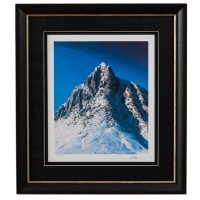
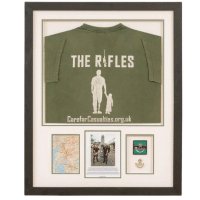

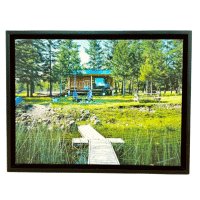

Other framing options
All About Framing - High Wycombe
Materials
Moulding (7 options)
Shop Popular Colours
Browse Moulding
Mountboard (9 options)
Shop Popular Colours
Browse by Type
Glass & Glazing (4 options)
Backing (6 options)
Spacers (3 options)
All About Framing - High Wycombe
Tools
Cutting & Joining (6 options)
Mount/Mat cutting (5 options)
Glass cutting (6 options)
All About Framing - High Wycombe
Supplies
Hanging & Display (7 options)
Frame Finishing (3 options)
Other Supplies (3 options)
All About Framing - High Wycombe
Book Appointment
Backing
Open Filter
Showing all 15 resultsSorted by popularity
-
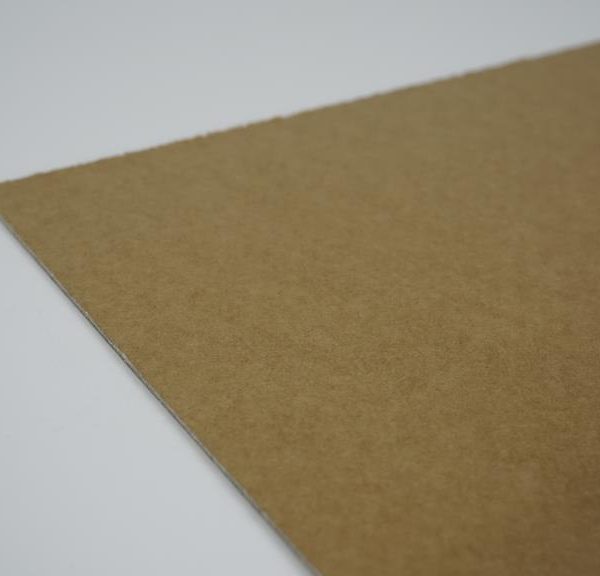
Kraft Backing Board – 610 x 915mm
SKU: SA0010AA✔ In Stock
🏷️ Bulk Pricing Available£5.20 inc. VAT -

Kraft Backing Board – 1120 x 815mm
SKU: SB0002KB✔ In Stock
🏷️ Bulk Pricing Available£8.99 inc. VAT -

White Lined Grey Backing Board 500 x 400mm 10pk
£8.00 inc. VATSKU: SC0011NA✔ In Stock
-
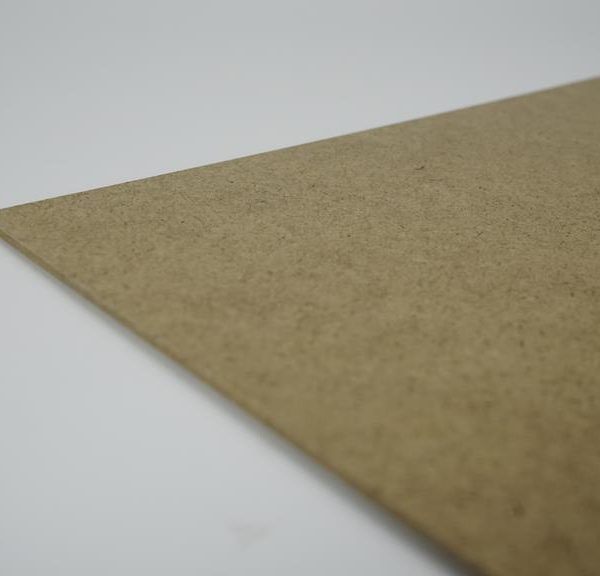
MDF Backing Board – 610 x 915mm
SKU: SA0011AA✔ In Stock
🏷️ Bulk Pricing Available£4.99 inc. VAT -
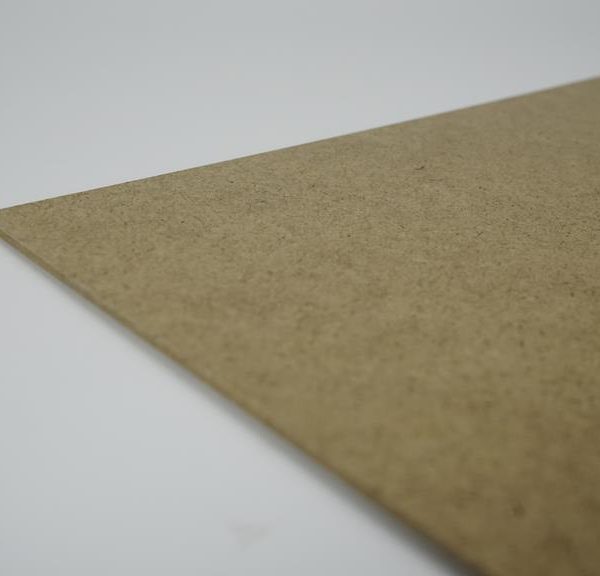
MDF Backing Board – 1120 x 815mm
SKU: SA0009NK✔ In Stock
🏷️ Bulk Pricing Available£9.29 inc. VAT -
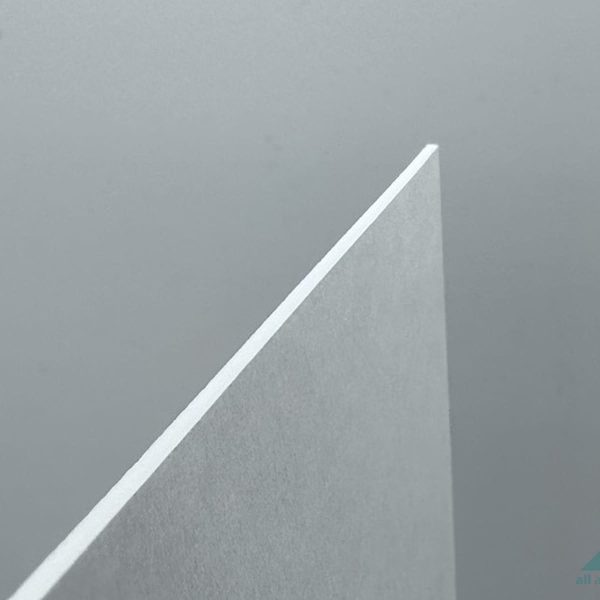
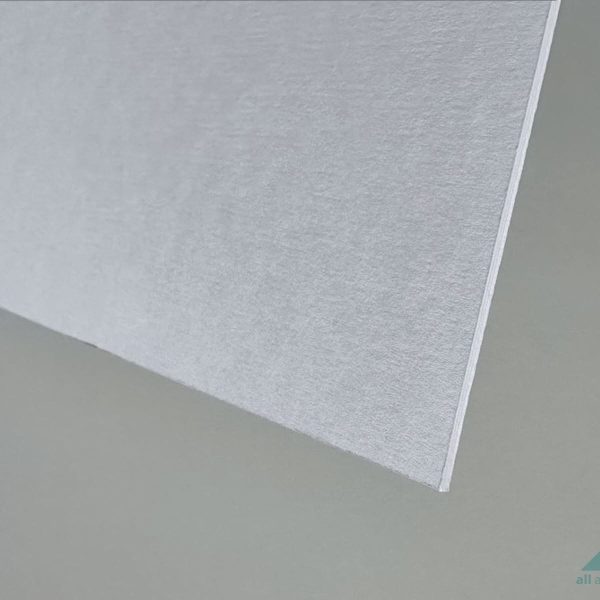
Conservation Backing Board 1.6mm – 1120 x 815mm
SKU: SSS008953✔ In Stock
🏷️ Bulk Pricing Available£12.00 inc. VAT -
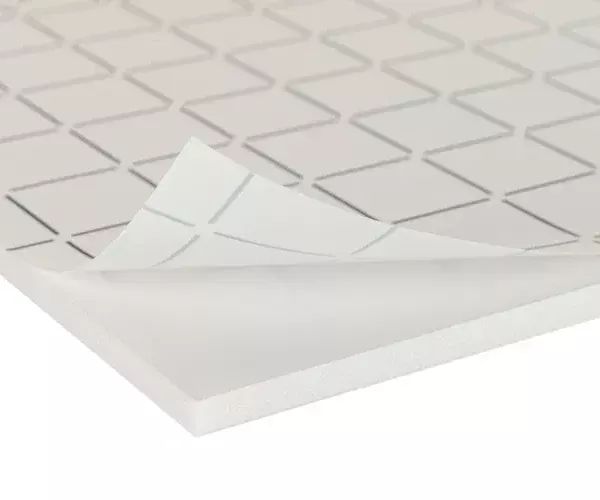
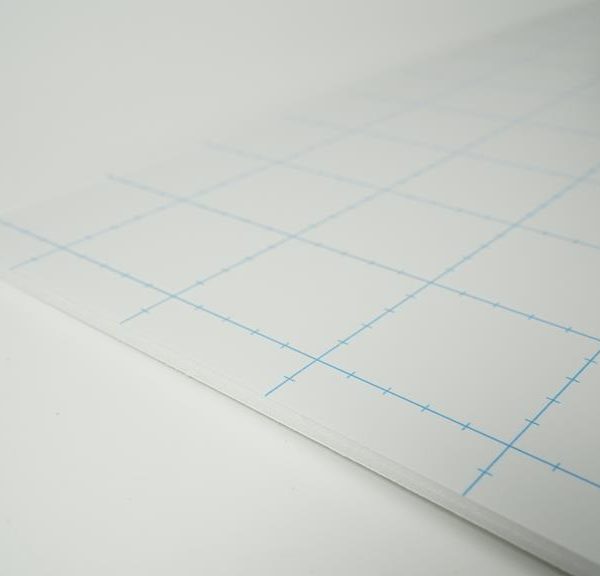
Self Adhesive Foam Board (5 mm) – 1016 x 762mm
SKU: SB0001NK✔ In Stock
🏷️ Bulk Pricing Available£21.99 inc. VAT -
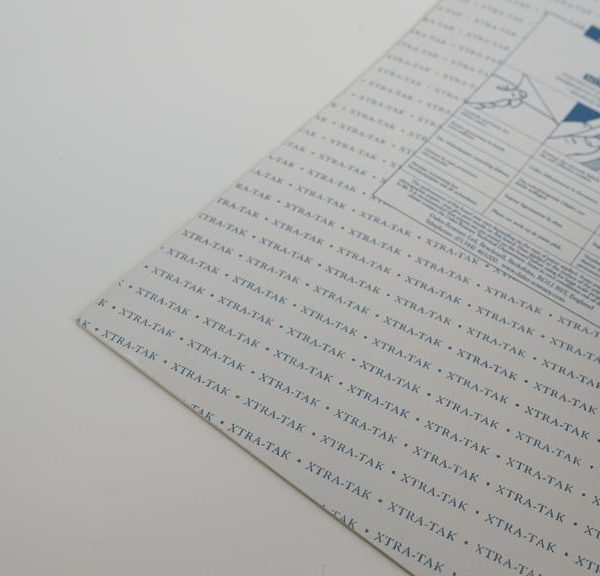
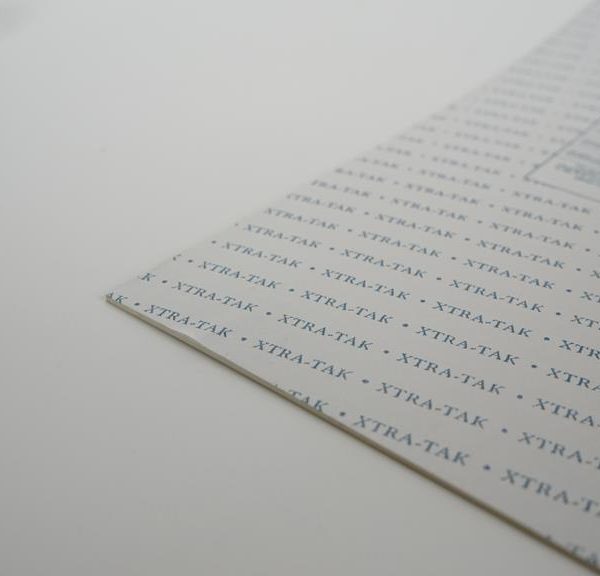
Daler Xtra-Tac Self-Adhesive Board – 1120 x 815mm
SKU: SA0005NK✔ In Stock
🏷️ Bulk Pricing Available£16.99 inc. VAT -
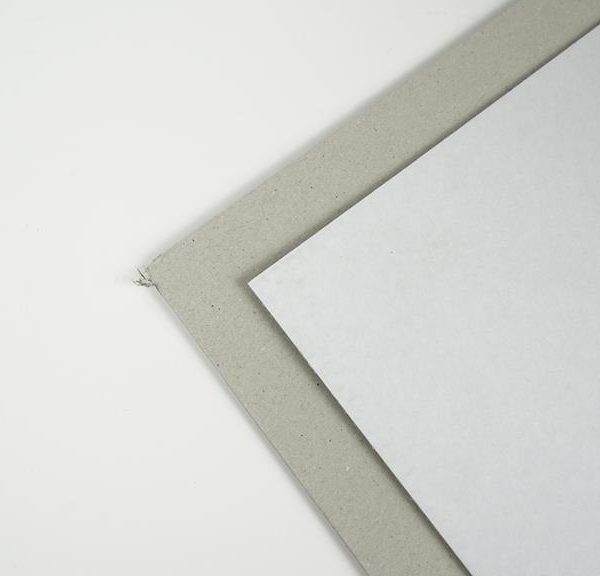
White Lined Grey Backing Board 815 x 560mm 10pk
£12.00 inc. VATSKU: RD0010NA✔ In Stock
-
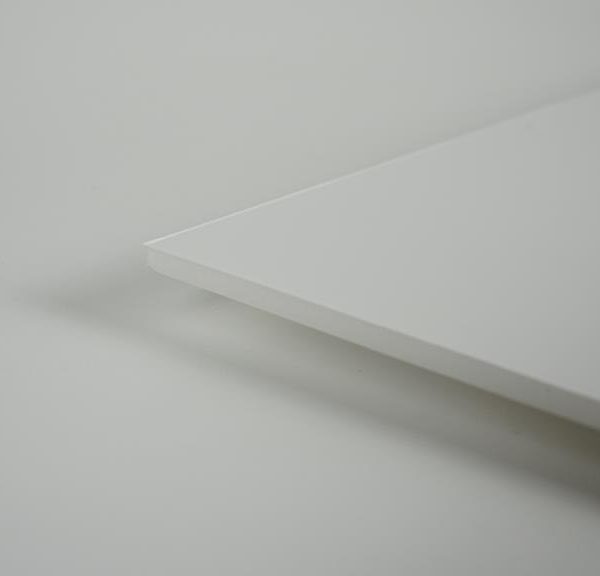
Foam Core Board – 594 X 841 mm – 5mm
SKU: SA0011NK✔ In Stock
🏷️ Bulk Pricing Available£9.20 inc. VAT -
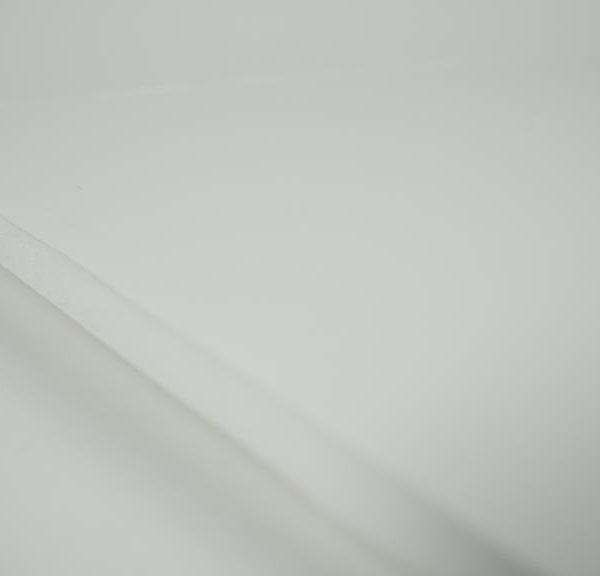
Foam Core Board – 594 X 841 mm – 10mm
SKU: SA0012NK✔ In Stock
🏷️ Bulk Pricing Available£16.82 inc. VAT -
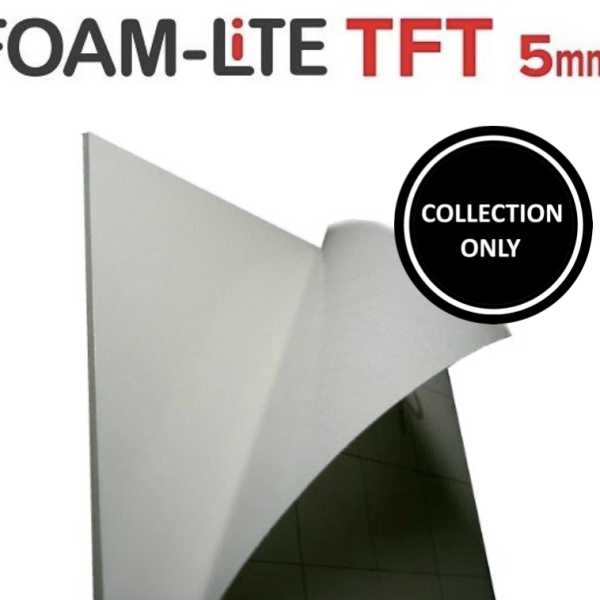
JUMBO Self Adhesive Foam Core Board 5mm – 1524x1016mm
SKU: SA0002NK✔ In Stock
🏷️ Bulk Pricing Available£43.99 inc. VAT -
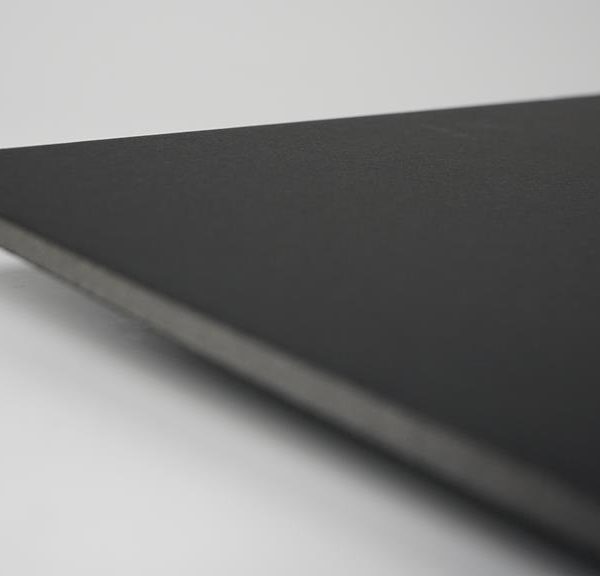
Foam Core Board – Black 5mm (594 x 841mm)
SKU: SA0007MA✔ In Stock
🏷️ Bulk Pricing Available£14.24 inc. VAT -
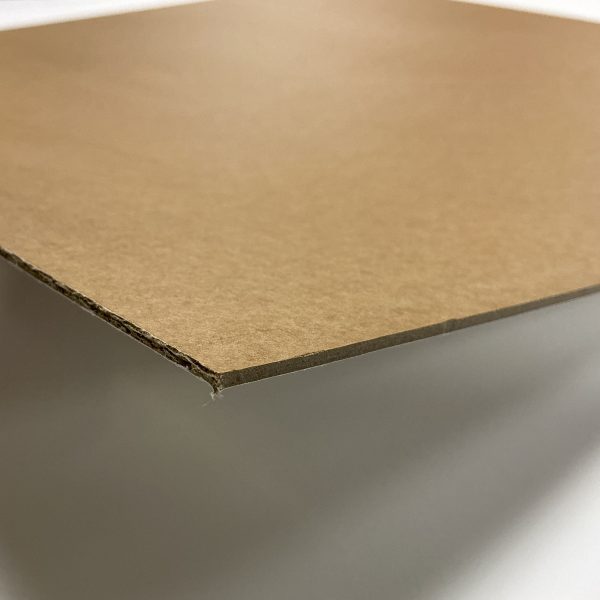
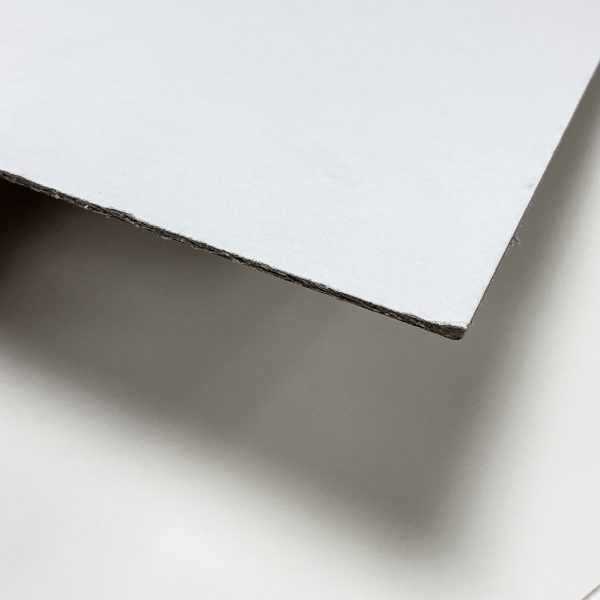
Aqua Conservation Board 2200 – 815x1120mm
SKU: 999120000✔ In Stock
🏷️ Bulk Pricing Available£9.96 inc. VAT -
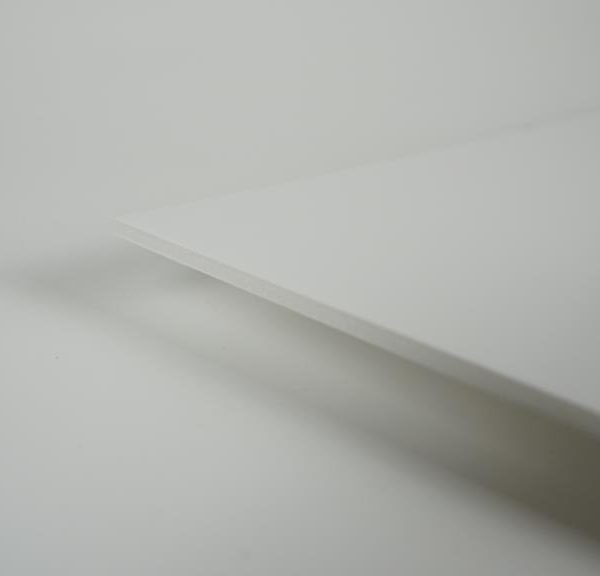
Foam Core Board – 594 X 841 mm – 3mm
SKU: SA0010NK✔ In Stock
🏷️ Bulk Pricing Available£7.90 inc. VAT
What is a picture frame backing board?
The Backing board, also known as frame backing, is designed to protect and seal the back of the frame in. It normally comes in thicknesses of 2mm and is the most straightforward element for building a frame.
What types of backing boards are available?
- Kraft Backing Board: A versatile and affordable option, perfect for everyday framing projects. It’s easy to cut with a stanley blade and offers a classic, natural look.
- MDF Backing Board: A rigid, durable and smooth backing board, ideal for heavier frames and larger artwork. It provides excellent support and a professional finish.
- Conservation Backing Board: A high-quality, acid-free option designed to protect valuable artwork. It’s perfect for preserving delicate pieces and archival materials.
- White Lined Grey Board: A budget option which is a popular choice for backing mounted prints in photographic competitions and small artwork. It’s smaller in thickness at 1mm but provides an affordable, presentable backing.
- Foam Board & Adhesive Backing Boards: These options offer additional support and ease of use, especially for lightweight items and delicate materials.
- Foamcore: A versatile material widely used for creating support structures within frames. Its application is used for various framing styles include float mounting, shadow mounting, and mount spacers. Lightweight yet sturdy, foamcore provides reliable support for a variety of framing needs.
Which backing board should I use?
We recommend using the Kraft board as it’s easy to cut with a knife, allowing for quick professional quality backing boards, perfect for everyday framing. For **valuable or delicate** pieces, choose a conservation backing board, its acid-free material is the best option to preserve your artwork at high standards.
What Do I Need to Cut Backing Boards Myself?
Most of our backing boards, except MDF, can be easily cut using a craft knife. For MDF, the easiest option is a fine-tooth saw. Alternatively, it can be cut with a craft knife, such as a Stanley knife, by scoring it multiple times.
-
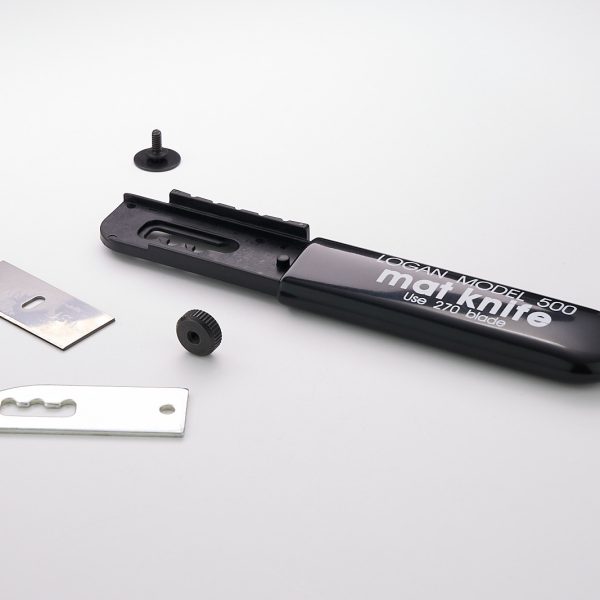
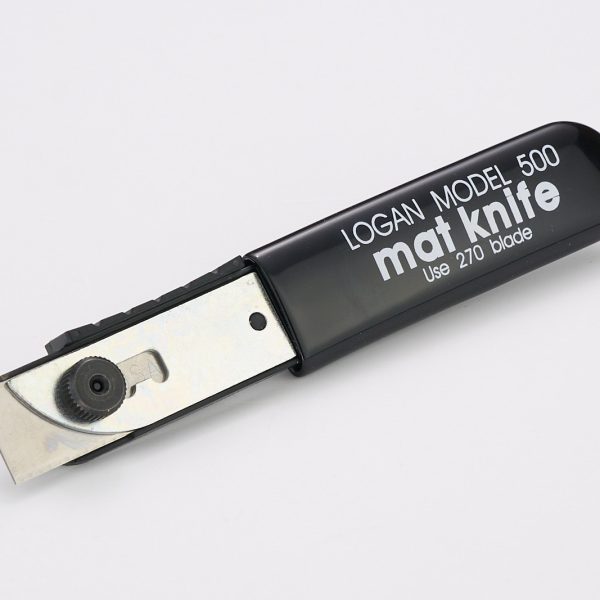
Logan 500 Craft Knife
£15.99 inc. VATSKU: EA0022NK✔ In Stock
-
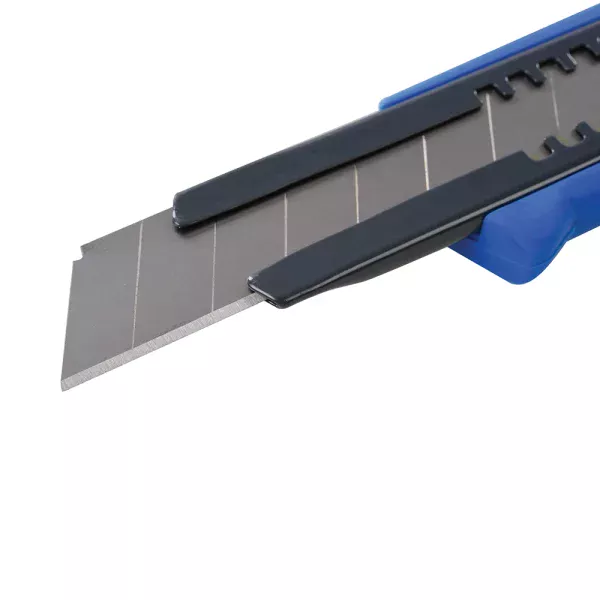
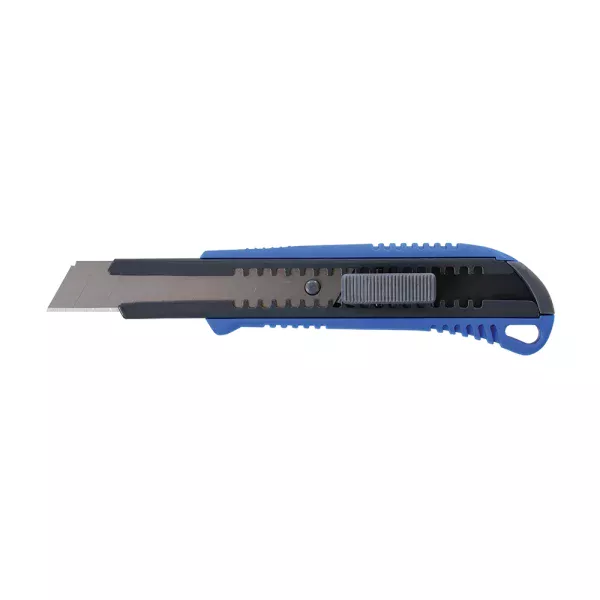
Snap Off Knife
£4.99 inc. VATSKU: AA0045NA✔ In Stock
-
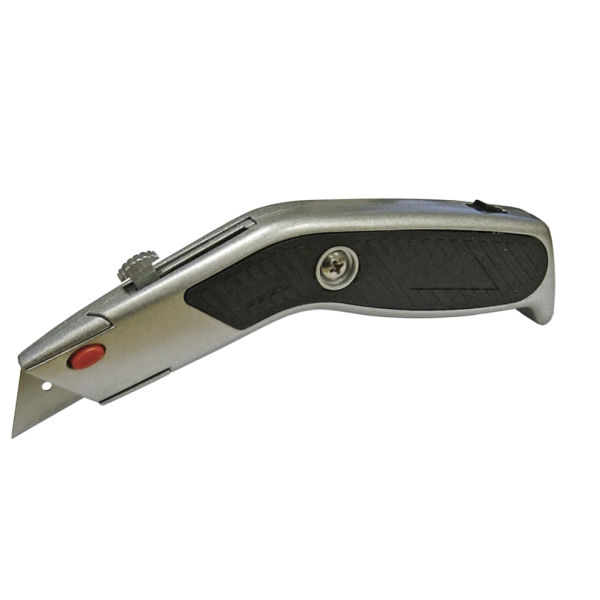
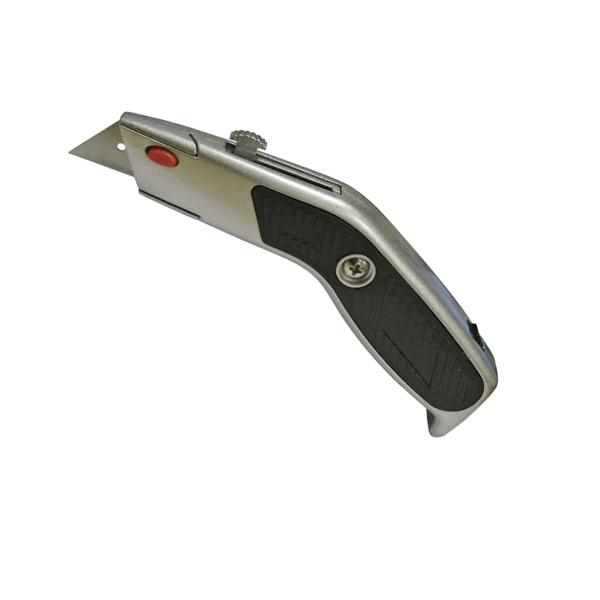
Contour Trimming Knife
£9.99 inc. VATSKU: AA0040NA✔ In Stock