All About Framing - High Wycombe
Bespoke framing
FAQ
How much does bespoke framing cost?
It depends on size, materials, and complexity. We're happy to give a no-obligation quote before you commit.
How long does it take to make a frame?
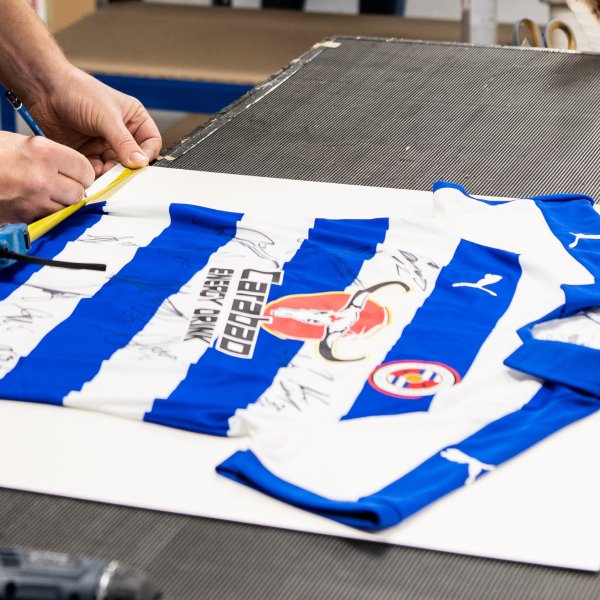
Standard turnaround is 2 weeks. Shirts, textiles, or complex pieces may take a little longer. Simple reglazes can be quicker.
How do I order a bespoke frame?
You can order by phone, email, or in-store. Just get in touch and we'll help figure out what you need.
All About Framing - High Wycombe
Shop DIY framing
Cutting services
All About Framing - High Wycombe
Ready made frames
Popular sizes
FAQ
Do you offer printing?
Yes! We can print your artwork or photos. Get in touch for details.
Can you fit my artwork into the frame?
Yes, we offer fittings as an additional service in store when you buy the frame.
Do you offer bulk discounts?
Yes, order 10+ of the same size and colour for up to 20% off. Please contact us for bulk orders
All About Framing - High Wycombe
Learn to frame
Framing courses
- Basics of Framing course
- Art & Photography framing weekend
- Learn how to stretch canvas
- About our courses
Advanced courses
Online Framing guides and advice
All About Framing - High Wycombe
What can you frame
Click the links below to learn more
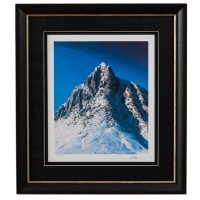


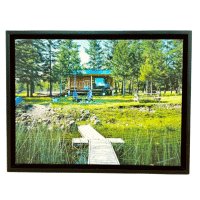

Other framing options
All About Framing - High Wycombe
Materials
Moulding (7 options)
Shop Popular Colours
Browse Moulding
Mountboard (9 options)
Shop Popular Colours
Browse by Type
Glass & Glazing (4 options)
Backing (6 options)
Spacers (3 options)
All About Framing - High Wycombe
Tools
Cutting & Joining (6 options)
Mount/Mat cutting (5 options)
Glass cutting (6 options)
All About Framing - High Wycombe
Supplies
Hanging & Display (7 options)
Frame Finishing (3 options)
Other Supplies (3 options)
All About Framing - High Wycombe
Book Appointment
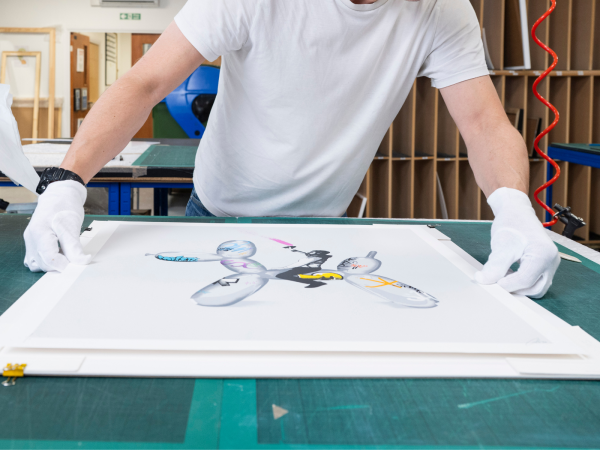
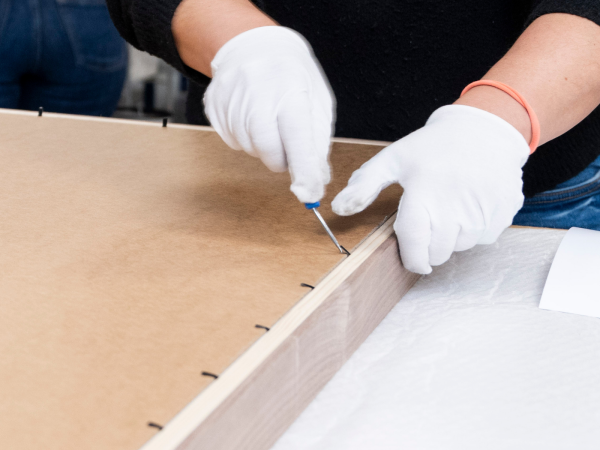
Conservation Framing Course
Learn How To:
What you’ll achieve
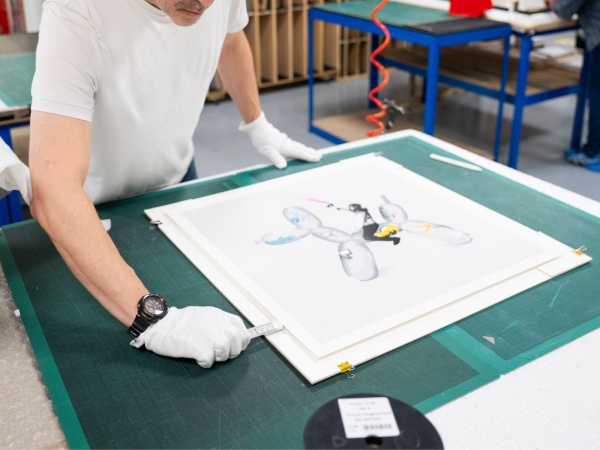
You will learn how to frame artwork to a professional conservation standard, using methods that protect the piece from damage, contamination, and deterioration. You will gain confidence in handling artwork safely, choosing suitable materials, and applying reversible techniques that preserve the artwork long-term.
🕖 Duration: 7 Hours (10am – 5pm)
📍 High Wycombe
£220.00 inc. VAT
✔ In Stock
Description
What will the course cover?
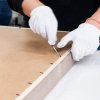
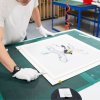
This practical one–day workshop introduces the key principles behind conservation framing and demonstrates how to apply them to a complete framing project.
You will learn how conservation criteria influence each stage of the framing process, from material selection to final sealing.
Through demonstrations and hands-on practice, you will learn:
- How to choose appropriate conservation-grade materials
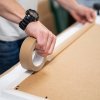
- How to create a barrier against contaminants
- How to handle and care for artwork throughout the process
- How to create a mount package with a hinged window mount
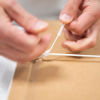
- Methods of artwork attachment using minimal contact
- How to reverse attachment methods without causing damage
- How to create a sealed environment for artwork, including glazing choices
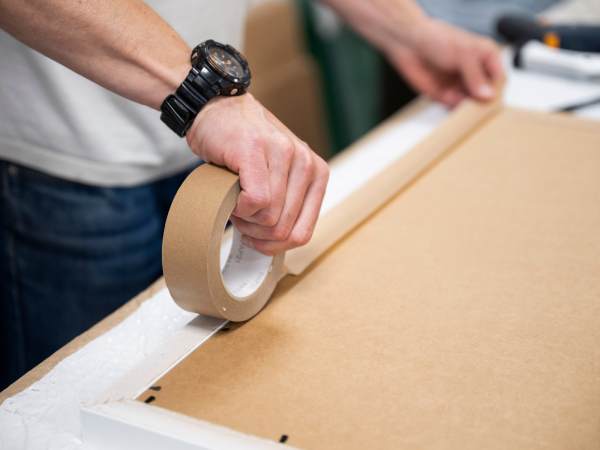
- How to add a dust cover to the back of the framed package
- How to provide a pocket for provenance or artwork information
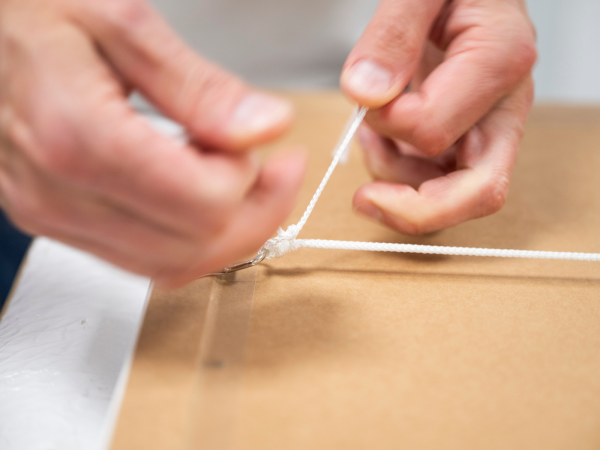
- How to use appropriate fixings for hanging this type of frame
These stages reflect the full conservation workflow, emphasising reversibility, protection, and ethical handling standards.
What will I make on the day?
All students will mount and frame a piece of artwork using conservation-approved methods, minimal-contact attachment, and a sealed package, completing the framed work to a ready-to-hang standard by the end of the day.
On the day of the course, to keep everything running quickly and smoothly, the materials will be pre-selected. We use black frames and white mounts for the session, which helps streamline the process and ensures the course flows without too many options to choose from.
What previous experience should I have?
No previous framing experience is required.
This course has been designed for complete beginners, as well as those who may have experimented with framing before. Confidence with hand tools can be helpful, but it is not necessary.
How our courses are run:
- Maximum 6 students per course
- Running from 10am to 5pm, including lunch and refreshment breaks
- All tools and framing materials are provided
- The learning environment is collaborative, practical, and supportive
No tests or assessments — just enjoyable hands-on learning
✅ Packed lunch
The venue is outside the town centre and access to food vendors is limited.
✅ One piece of artwork to frame
- Must be artwork on paper
- Maximum size: 300mm x 400mm
- Should be clean and suitable for handling
- Drawings, prints, watercolours, etchings, photographs, etc. are all suitable
- If unsure, you are welcome to ask in advance
✅ Suitable clothing
- No open-toe shoes or sandals
- Avoid loose sleeves or flowing garments
- Do not wear valuable clothing (adhesives and handling materials are used)
- Comfortable footwear recommended
- Bring warm layers in colder months